 ccaa_admin
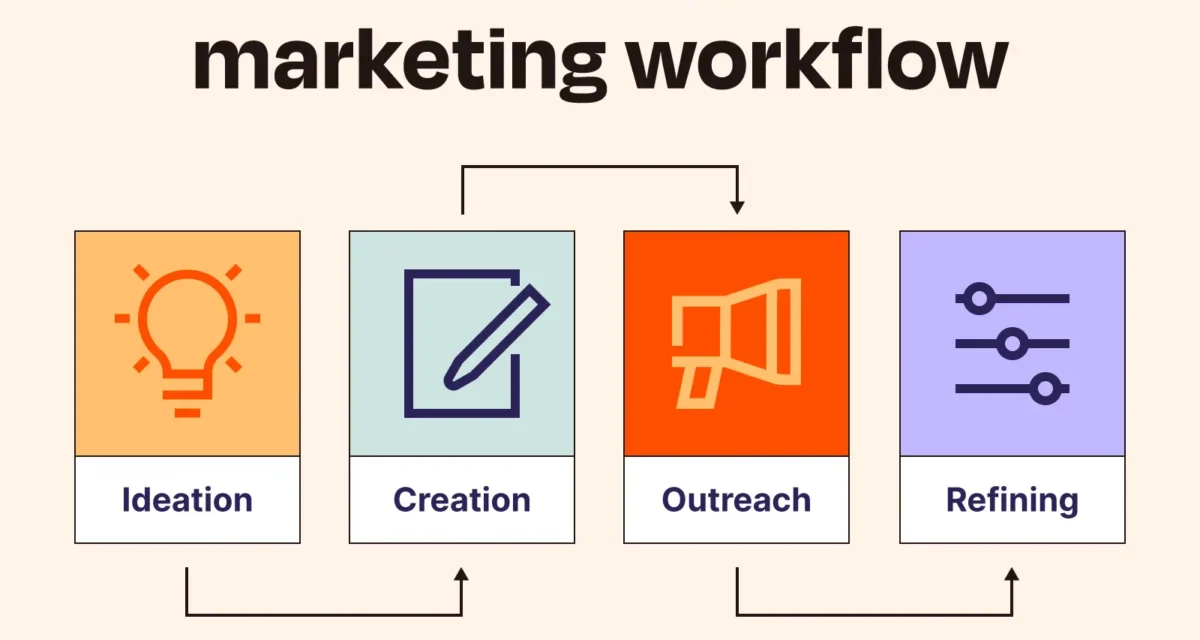
Typeface‘s enterprise-grade AI content platform fundamentally transforms this equation. By automating up to 70% of the content creation process—from keyword research and optimization, outline generation to creating complete first drafts—marketing teams can redirect their expertise to strategic refinement. This allows teams to scale their blog production from 3-4 posts monthly to 10-12 posts, while maintaining a consistent brand voice.
In this article, we’ll take a look at some examples of impactful blog posts to give you some inspiration. We’ll also show you how Typeface’s AI capabilities can help improve your blog content creation strategy, streamline your workflow and elevate user experience, helping your team work smarter and deliver better results.
Key Takeaways
Different formats = different goals: Whether you’re educating (how-to), entertaining (listicle), building trust (case study), raising awareness (opinion), or staying current (news/trends), each blog-type fits a different part of the funnel.
AI helps tackle the heavy lifting: An AI writing engine can handle the time-consuming parts (keyword research, outline generation, first draft), freeing you up to focus on strategy, tone, and unique insight.
Quality control still matters: Skipping planning, ignoring SEO basics, or not editing AI output risks ending up with bland or generic content. Use AI intelligently — not blindly.
Scalability without losing brand voice: With AI support, a typical blog cadence of 3–4 posts/month can morph into 10–12 posts/month, while keeping messaging consistent and voice on-brand.
Use formats strategically based on your goal: Want quick engagement? Go listicle. Need trust from prospects? Publish a case-study. Trying to spark thought leadership? Drop an opinion. Knowing which format aligns with your objective improves impact.
Why is a blog important?
The effectiveness of blog as a marketing channel is well-documented. According to a CMI survey, blogs are the most frequently used type of content by marketers for demand generation.
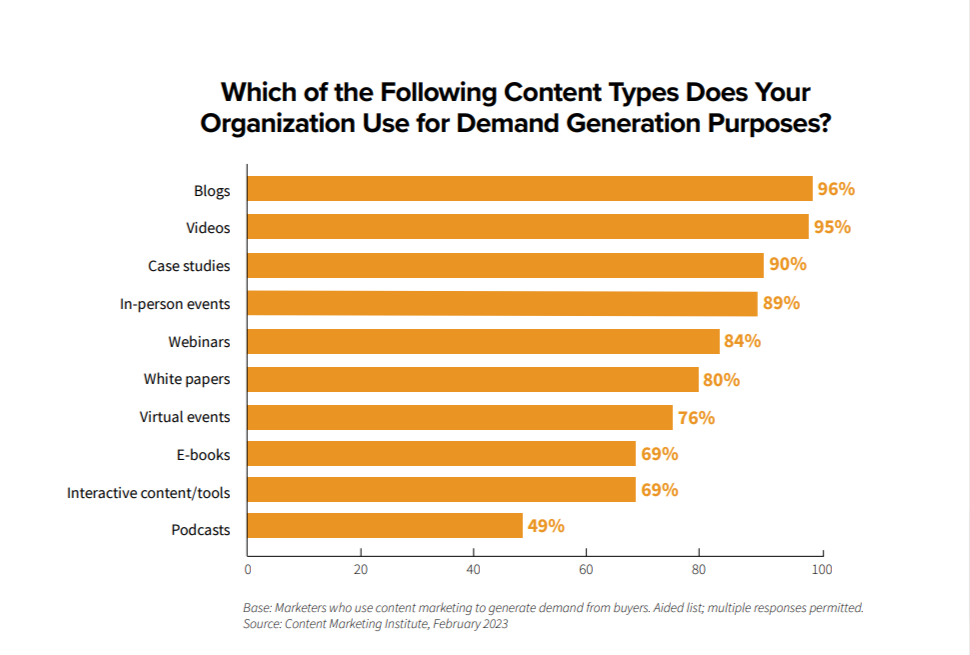
Strategic blog marketing can deliver measurable value across multiple vectors: enhanced organic traffic acquisition, strengthened market positioning, and elevated brand authority. This translates directly into measurable ROI through sustained audience growth and increased customer lifetime value.
However, creating impactful blogs that truly resonate and align with your company’s goals demands a thoughtful approach. It requires a solid blog marketing strategy that focuses on SEO, understanding your audience, and delivering consistent value that addresses their needs at every stage of their journey.
Modern AI systems can be invaluable in executing this strategy, as they help create engaging content that aligns with SEO goals, audience preferences, and your own brand guidelines.
What are the benefits of using AI for blog writing?
AI transforms blog creation by significantly reducing the writing time and increasing content output, but the benefits go far beyond speed. With over 80% of professionals reporting enhanced productivity from AI tools, these platforms accelerate production, enhance SEO performance, and maintain brand consistency, all while freeing you to focus on strategy and adding your unique insights rather than starting from a blank page.
Typeface is one such AI content platform that distinguishes itself through audience-centric content generation and advanced brand voice preservation capabilities. With Web Agent, you can generate content outlines and get complete first drafts based on a few key inputs. This allows you to focus on refining the content and adding your unique insights, rather than starting from scratch every time.
Another advantage of using this AI content platform is its ability to optimize content for SEO. Typeface’s AI can suggest region and intent-specific keywords and phrases that will help your blog posts rank higher in search results. You can also provide keywords for your own research to use in the content. As the Agent generates the blog, it seamlessly incorporates these keywords into the content.

 ccaa_admin